Buying guide · Sea trials
How to Schedule a Yacht Tender Test Drive
A tender reveals itself in the first ten minutes on the water — if you know what to look for. How the appointment works, and what the sea trial is actually for.
28 August 2026 · 4 min read
Introduction
Every vessel we present is shown by private appointment in Newport Beach, and the heart of that appointment is the sea trial — the test drive. It is not a formality. A tender that reads perfectly on a spec sheet can be wrong for the way you actually boat, and ten minutes on the water settles questions that weeks of research cannot.
Here is how scheduling one works, and how to get the most out of it.
01 — Start with the shortlist, not the calendar
Start with the shortlist, not the calendar
The most productive test drives happen after the field has already narrowed. If the tender is for a yacht, run the fitment question first — garage aperture, davit or crane capacity at full extension, swim-platform geometry, chock arrangement — and bring those numbers with you. Our Tender Finder does the first pass from your yacht's length if you do not have them yet.
Arriving with two or three genuine candidates turns the day into a comparison. Arriving with the whole catalogue turns it into a tour.
02 — Booking the appointment
Booking the appointment
The reserve page is the front door: tell us which models you want to see, how many people the boat needs to carry, and — if it is for a yacht — the yacht's name, model and length. The more of the brief we have in advance, the better prepared the boats are when you arrive.
The viewing is private and the boat is prepared for you alone. If you want more than one model on the water in a single visit, say so when booking — it is encouraged, and it is the cheapest way to eliminate a wrong choice.
03 — What to evaluate on the water
What to evaluate on the water
Top speed is the number everyone asks about and the one that tells you the least. The sea trial is for everything the spec sheet cannot express.
- Low-speed manners
- Around the dock and at idle — how the boat holds a heading at no-wake speed, how it responds to small throttle inputs, how it turns in its own length. This is most of how a tender is actually driven.
- The transition onto plane
- How cleanly the boat rises, where the bow sits as it comes over, and whether you can see past it. A boat that planes reluctantly will annoy you every single day.
- Ride at speed
- Ask to run into the chop and across wakes, not just downwind in flat water. The yacht's anchorage will not always be calm, and the tender is judged on the rough day.
- Boarding and moving about
- Step aboard from the dock, then from the water if that matters to you. Sit where your guests will sit. Seating capacity is a legal figure, not a comfort figure.
- Noise and trim
- Can you hold a conversation at cruise? How does the boat sit with people aft? Both tell you more about ownership than the peak numbers do.
04 — What to bring
What to bring
Bring the people who will actually use the boat — the driver, the family, ideally the crew member who will handle launch and recovery if the tender lives on a yacht. Bring the yacht's measurements if you have them. And bring the boring questions: servicing intervals, warranty terms, parts support, winterisation. The sea trial is also your chance to judge the dealer, and how those questions are answered is data.
05 — After the sea trial
After the sea trial
There is no obligation attached to a viewing. What usually follows is the specification conversation — colours, upholstery, equipment, and how the boat interfaces with your yacht — and an honest statement of the shipyard's current build-slot position.
If the trial raised doubts, say so. Eliminating a boat is a successful outcome, and it is far cheaper on the water than after delivery.
Referenced
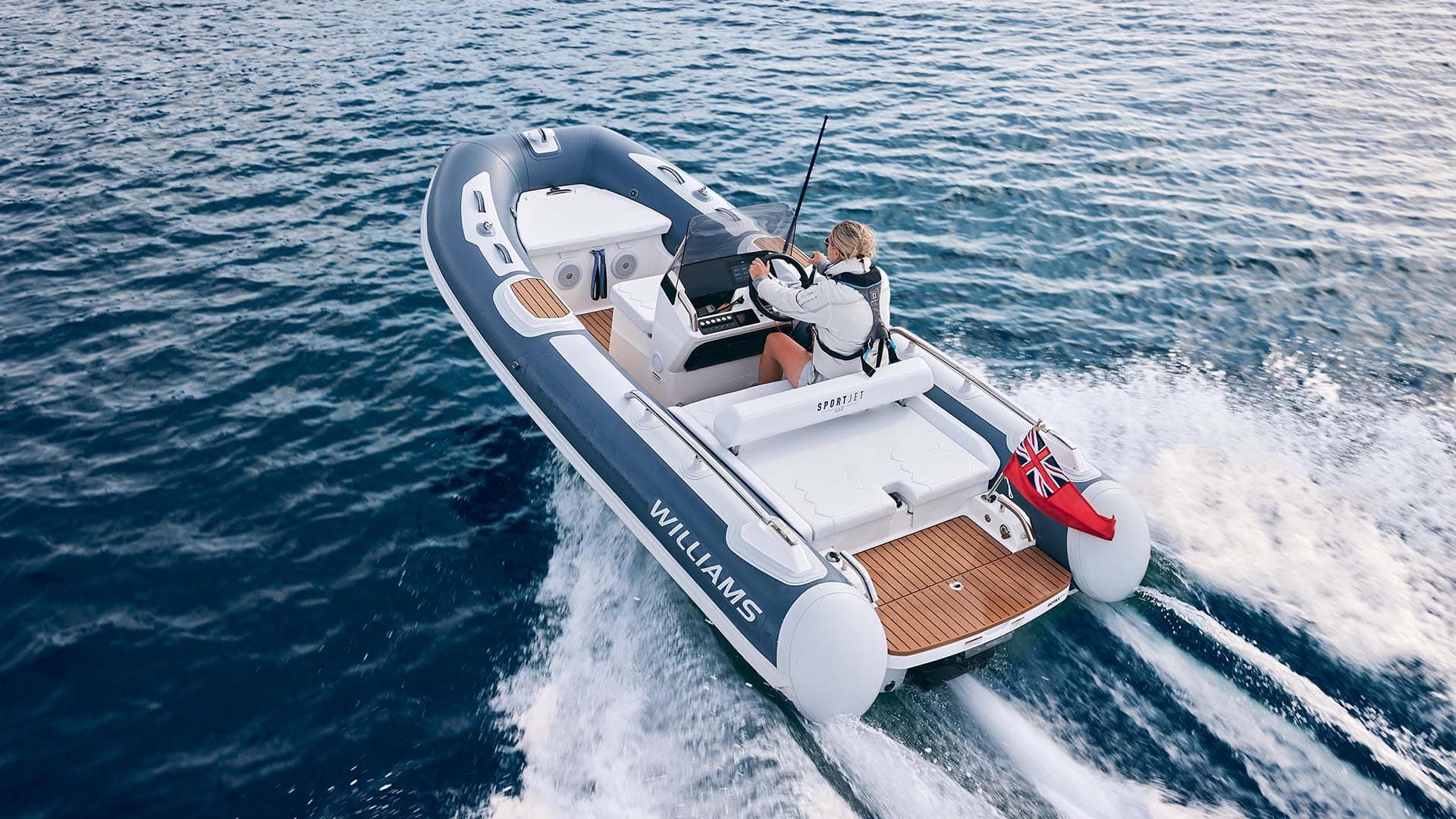
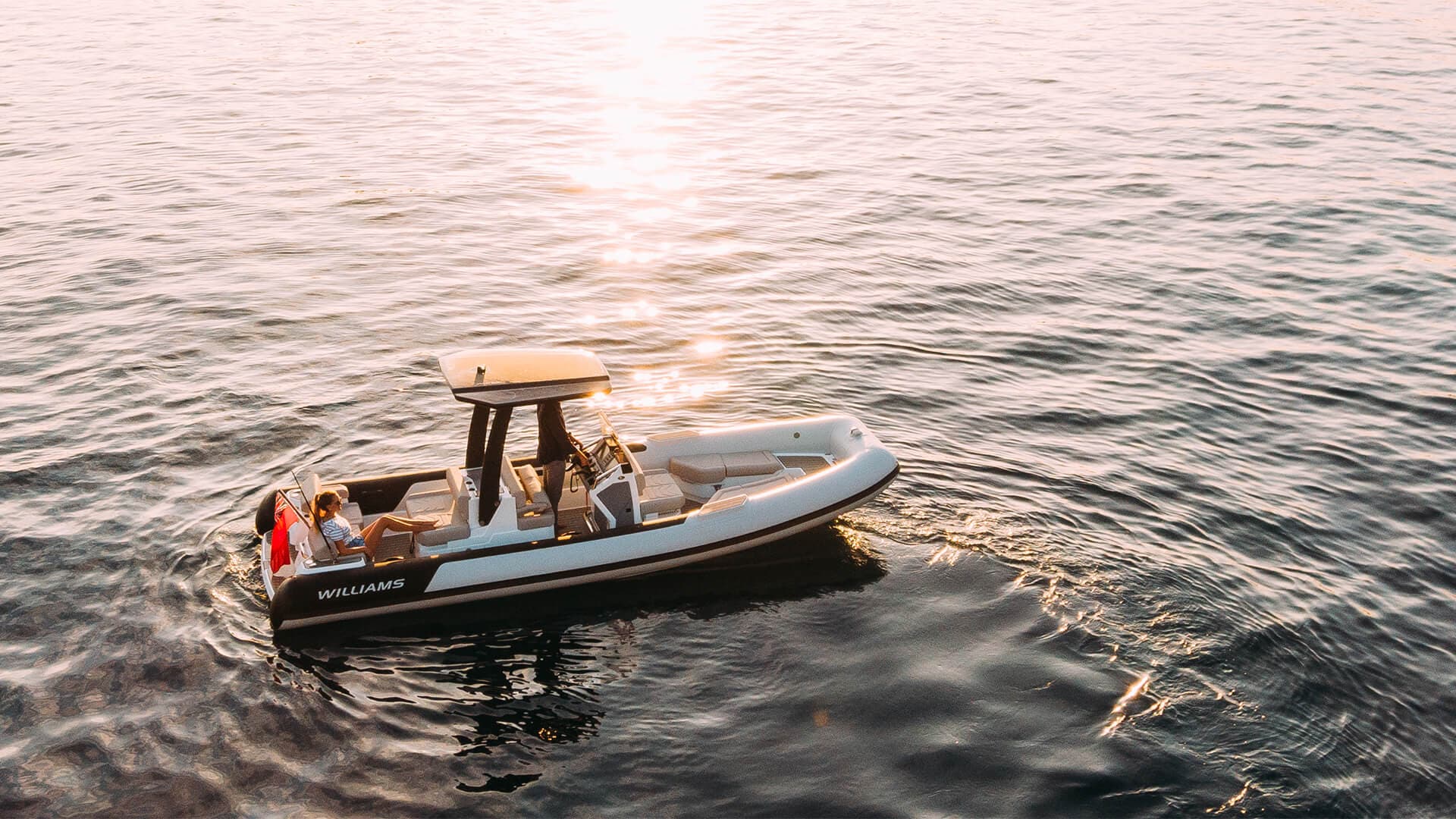
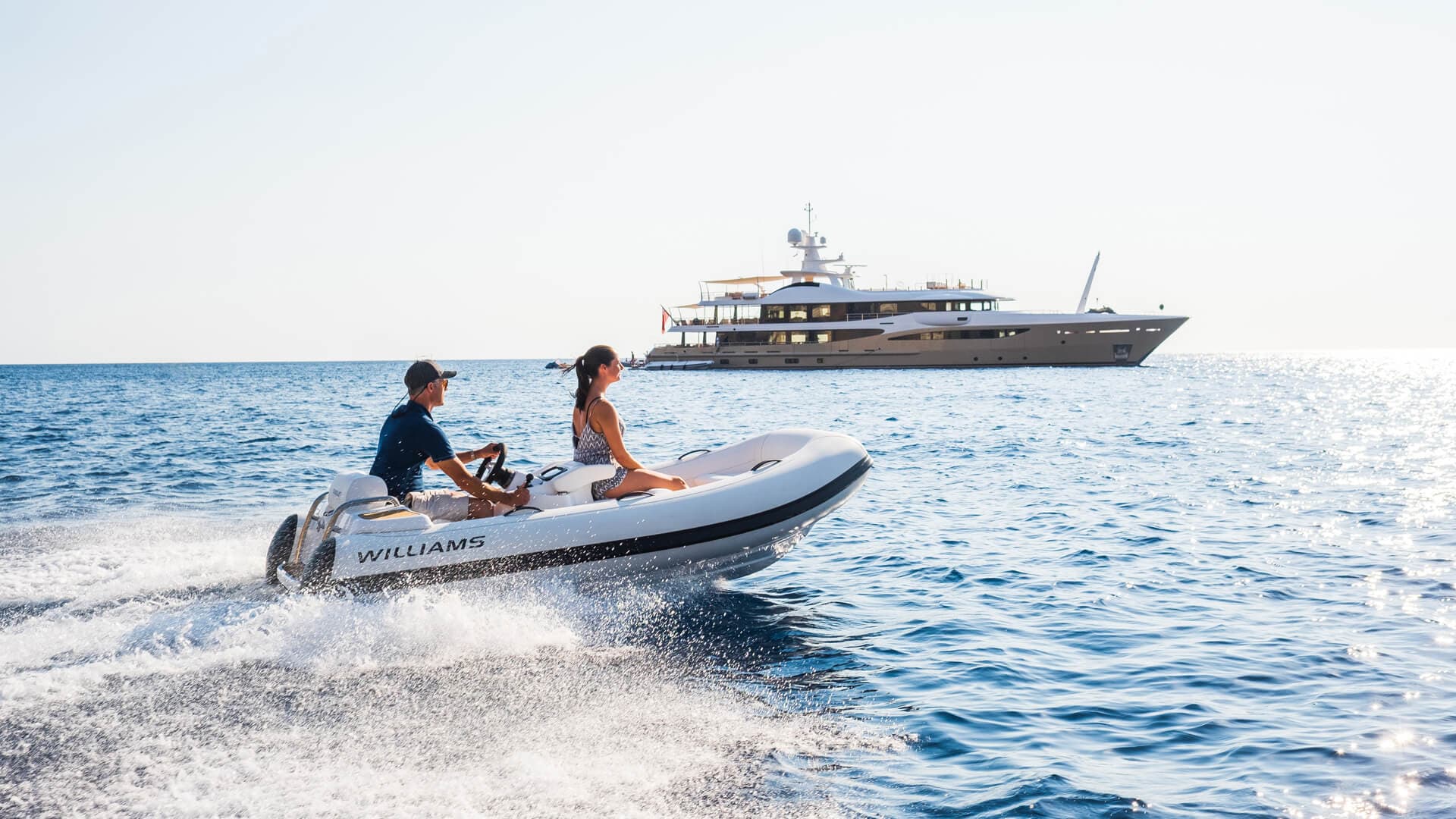
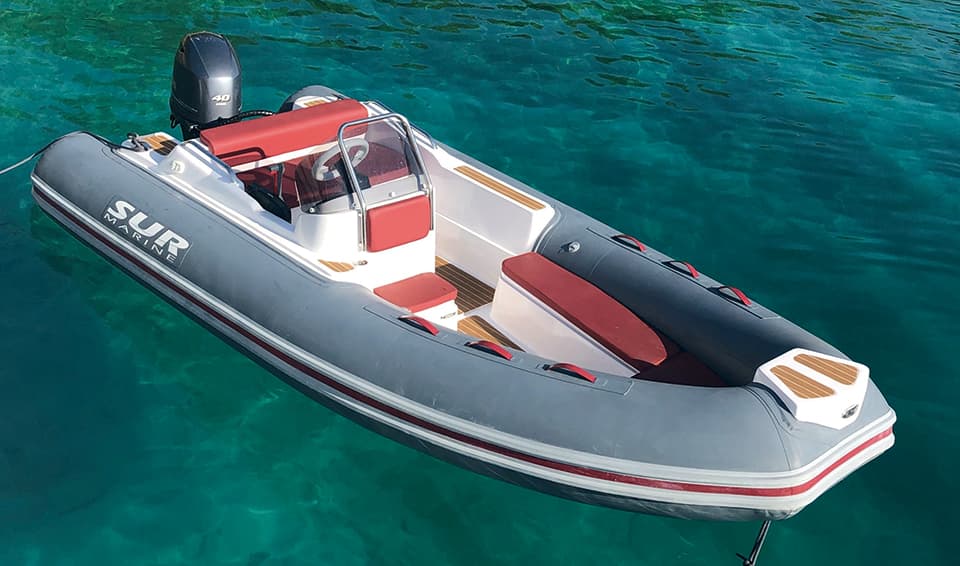
Vessels mentioned above
Common questions
Asked and answered
- 01
How do I schedule a yacht tender test drive?
Through the reserve page — tell us which models you want to see, how many people the boat must carry, and, if it is for a yacht, the yacht's name and length. We will confirm a private appointment in Newport Beach with the boats prepared and, where useful, more than one model on the water.
- 02
Where do test drives take place?
Newport Beach harbour, our home water. Sea trials run on the harbour and, conditions permitting, just outside it, so you can evaluate the boat in more than flat water.
- 03
Can I try more than one model in a single visit?
Yes — it is encouraged. Comparing two or three genuine candidates back to back is the cheapest way to eliminate a wrong choice. Mention it when booking so the boats can be scheduled together.
- 04
Is there any obligation to buy after a sea trial?
None. The viewing exists to settle the decision properly in either direction, and eliminating a boat on the water is a good outcome — it is far cheaper there than after delivery.