Buying guide
Luxury Tender Sales: How Buying a Tender Actually Works
A tender is not bought the way a yacht is bought. It is specified against a garage, a davit and a way of using the boat — and the sequence matters.
20 July 2026 · 5 min read
Introduction
Most people buy their first tender the wrong way round. They choose the boat they like, then discover what will fit. It is an expensive order of operations, and it is the single most common reason a tender purchase goes sideways.
The reverse sequence — constraints first, preference second — almost always lands somewhere the owner is happier with anyway, because the shortlist it produces is short.
01 — Measure before you shop
Measure before you shop
Four numbers decide most of the outcome, and none of them are on the tender's spec sheet. Get them before anything else.
- Garage aperture
- Not the garage volume — the opening. Height, width, and the diagonal you can actually work with. A boat that fits the space but not the door is not a boat that fits.
- Davit or crane capacity
- Safe working load, and where the load is rated at full extension rather than at the base. Tender dry weight plus fuel plus fitted equipment is the number to compare against.
- Swim-platform geometry
- Length, whether it is hydraulic, and how the tender sits on it under way. This decides whether platform stowage is realistic or whether you are committed to the garage.
- Chock and cradle arrangement
- How the boat is secured for passage. Existing chocks may constrain hull form more tightly than the aperture does.
02 — Size against the mother yacht
Size against the mother yacht
There is a rough proportionality between yacht and tender that experienced owners feel intuitively and first-time buyers usually miss. Too small and the tender cannot do the job — guest transfers become two trips, and the boat is unpleasant in any chop. Too large and it dominates the platform, complicates launch and recovery, and stops being casually usable.
Williams publishes fitment bands for exactly this reason — a rating of 'yachts N metres and above' is the manufacturer's own view of where a given model belongs. It is a good starting filter and a poor final answer, because two yachts of the same length can have completely different garages.
Our Tender Finder runs your yacht's length against the current collection and returns a ranked shortlist with the reasoning attached. It is guidance, not gospel — the survey of your actual boat decides.
03 — Choose the range before the model
Choose the range before the model
Ranges exist because tenders do genuinely different jobs. Picking the job first collapses a long catalogue into a handful of boats.
- Ship to shore
- Guest transfer in comfort, often in less-than-ideal conditions. Diesel and larger jet models, where a dry arrival matters more than outright fun.
- Watersports
- Tow sports, beach days, and the boat the family actually asks for. Sport models with the pull to get a rider up.
- Lightweight
- Where davit capacity is the binding constraint. Light tenders trade capability for the ability to be craned aboard almost anything.
- Hand-built RIB
- The classic tender brief — a properly built boat matched to the yacht's own livery, sized for yachts roughly in the 12 to 40 metre range.
04 — Specification and lead time
Specification and lead time
Tube colour, upholstery scheme, hull finish, deck material, tow points, lighting, covers, and how the boat is chocked are all decisions taken at order. Most of them are difficult or costly to change afterwards, which is why the specification meeting is the part of the process worth taking seriously.
Build slots are real and seasonal. A tender ordered in the spring for the same summer is usually optimistic; ordering against the following season is normal practice. We give you the current shipyard position honestly rather than an encouraging one.
05 — Delivery, commissioning and after
Delivery, commissioning and after
A tender is not finished when it arrives. Commissioning means engine and systems checks, fitting to your yacht's chocks or cradle, and a handover on the water where someone shows your crew how the launch and recovery sequence actually works on your boat.
After that, servicing is coordinated rather than left to you to arrange — warranty work, scheduled maintenance, and parts. For an owner, the value of a dealer relationship is almost entirely in this phase rather than the sale.
Referenced
Vessels mentioned above
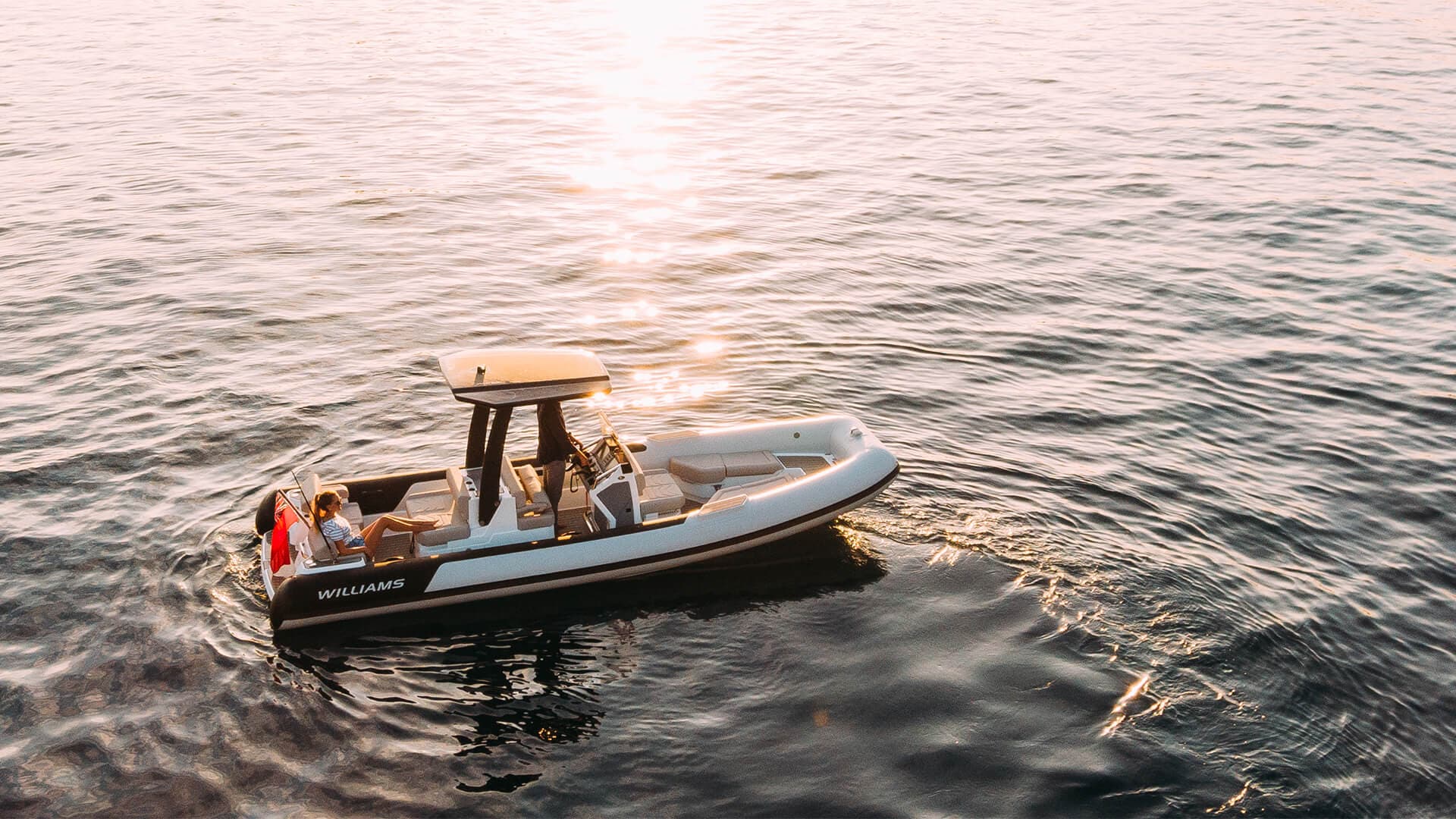
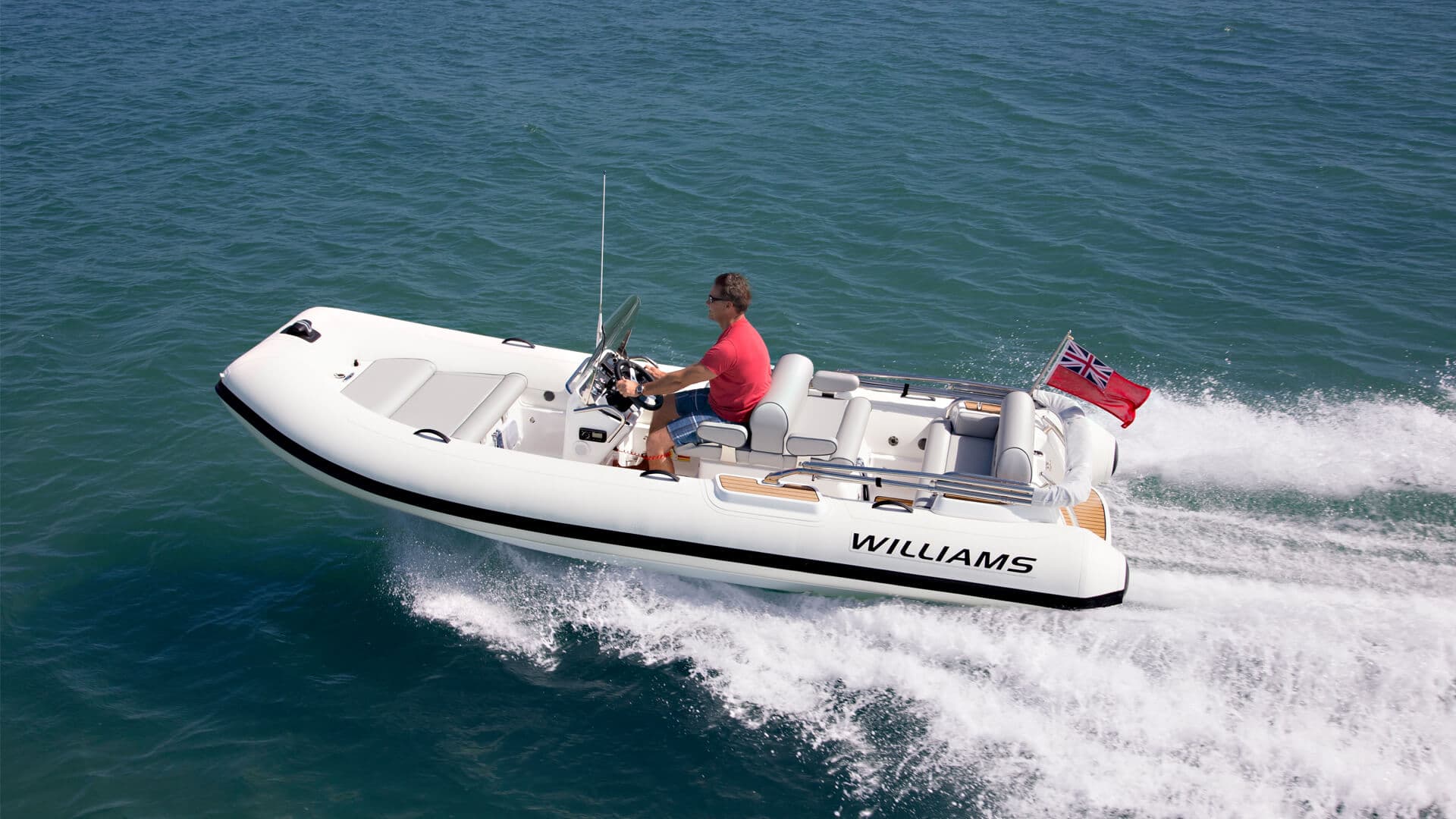
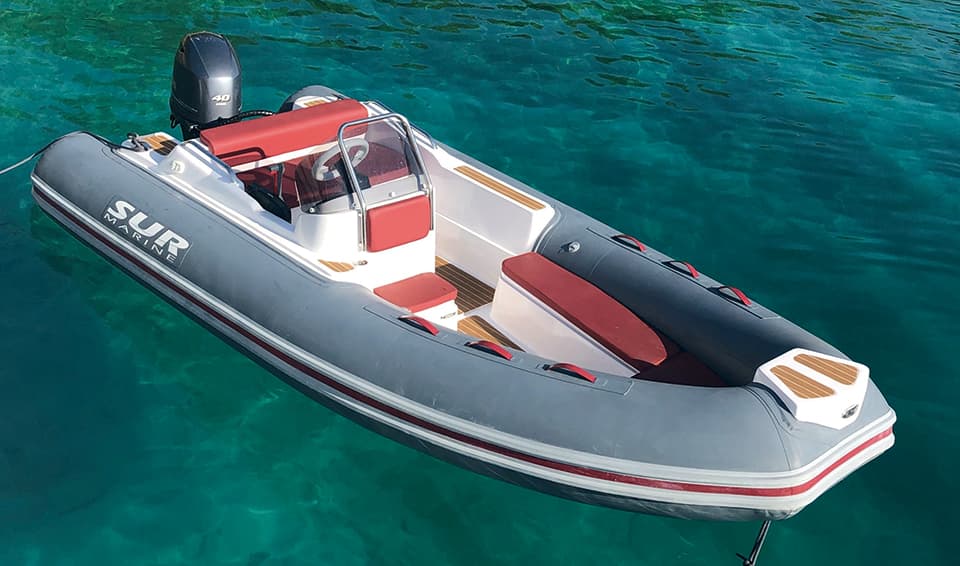
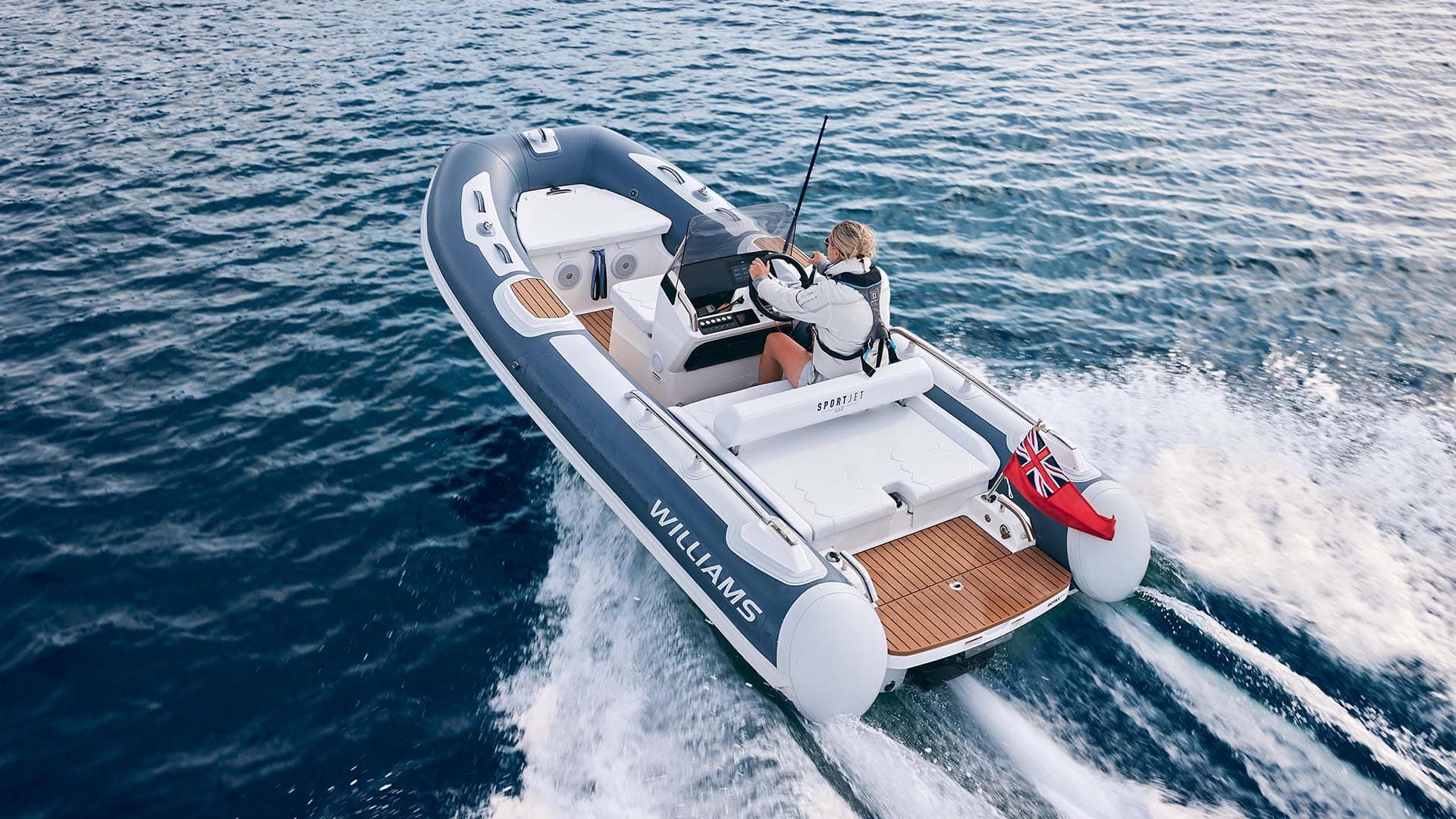
Common questions
Asked and answered
- 01
What is a luxury tender?
A purpose-built boat carried by a larger yacht for guest transfer, watersports and shore access, finished to the standard of the mother yacht rather than as a utility craft. In practice it means hand-built construction, a specified livery matched to the yacht, and a design sized around garage or davit constraints.
- 02
How do I know what size tender fits my yacht?
Start with the garage aperture, davit safe working load, swim-platform geometry and chock arrangement — those four measurements do most of the filtering. Manufacturer fitment bands narrow it further, and a survey of your actual boat decides. Our Tender Finder gives a ranked shortlist from your yacht's length.
- 03
How long does a tender order take?
It depends entirely on the shipyard's build slots at the time of order, and those are seasonal. Ordering for the following season rather than the current one is normal practice. We give the current position at the time you enquire rather than a general estimate.
- 04
What are the main tender options?
By job: ship-to-shore tenders for guest transfer (diesel and larger jet models), sport models for tow sports and beach days, lightweight tenders where davit capacity is the constraint, and hand-built RIBs matched to the yacht's livery. By propulsion: petrol jet, diesel jet or outboard. Picking the job first is what collapses the catalogue into a shortlist.
- 05
Can I match the tender to my yacht's colours?
Yes — that is standard for this class of boat. Tube colours, upholstery schemes and hull and deck finishes are specified at order, and matching them to the yacht's livery is one of the main reasons owners buy new rather than used.